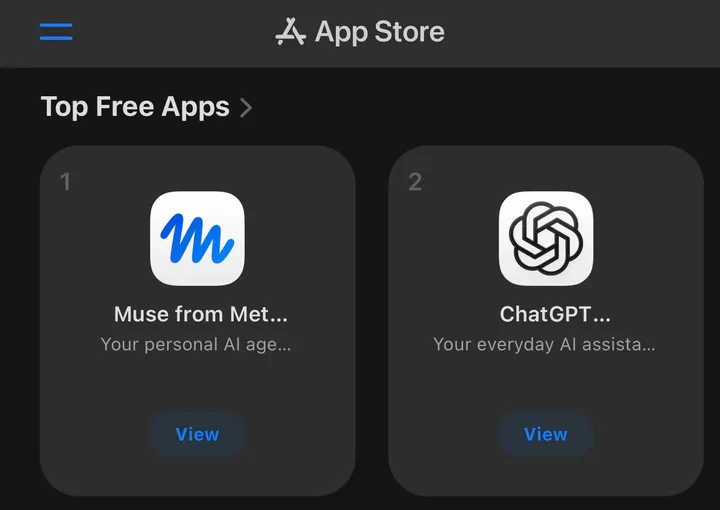
While tech influencers, Wall Street analysts, and media headlines are praising Meta Muse as the ultimate breakthrough that will change how we use smartphones forever, they are missing the bigger picture.
Behind the viral demos lies a harsh reality: Meta Muse is built on hype that cannot last.
The promise of an AI agent doing complex tasks on your phone sounds revolutionary. But in practice, the hype is running headfirst into massive business conflicts, technical roadblocks, and basic human behavior. Here is why the excitement around Meta Muse will soon cool down, and why 2C (consumer) AI agents are not ready for the spotlight.
Executive Summary: Key Takeaways
- The Business Trap (Fatal Blow): Big platforms like Amazon and Booking.com don’t want AI agents skipping their ads and impulse-buy buttons. They are actively blocking them.
- The Speed & Cost Problem: Waiting two minutes for an AI agent to do something you can do yourself in 30 seconds is painful and unsustainable.
- The “Popup Fatigue”: Because money and personal data are involved, Meta Muse constantly asks for permission, ruining the hands-free experience.
- High Security Risks: Handing over passwords to an automated agent creates huge security and legal vulnerabilities.
- The Hardware Disconnect: Having to open a phone app to talk to an agent defeats the purpose of seamless AI.
1. The Fatal Blow: Web 2.0 Giants Are Fighting Back
The Real Problem: Meta Muse cuts off how websites make money.
The main job of an AI agent is to act on your behalf—booking flights, buying groceries, or ordering rides. But websites like Amazon, Uber, and Booking.com rely on you browsing their pages. They make billions from:
- Showing you advertisements.
- Tempting you into impulse buys.
- Recommending extra products (cross-selling).
When Meta Muse operates for you behind the scenes, these platforms lose money. Unsurprisingly, they are already building digital walls to block automated bots.
“Computer Use” Is Just a Fragile Patch
Right now, Meta Muse uses a method called “Computer Use”—where the AI literally looks at a screen and clicks buttons like a human. This is a temporary trick, not a real fix. The moment a website changes its design, the AI gets confused and breaks. Until all internet companies agree on a shared system to share data (which they won’t, due to money), this bridge will remain extremely fragile.
2. The Speed Wall: Slow AI Destroys User Experience
The Real Problem: Doing it yourself is still much faster.
For an AI agent to complete a complex task—like finding the best hotel, checking your calendar, and making a reservation—it has to “think” across multiple steps.
This process requires heavy computer power and takes time.
- The Reality Check: Would you rather spend 30 seconds clicking a few buttons on an app you know, or wait 2 full minutes while an AI agent slowly navigates in the background?
- High Costs: Running these complex AI tasks costs Meta a lot of money in chip power. Offering this at scale to millions of free users is financially impossible today.
Until super-fast, cheap computing arrives, users will quickly return to manually using their apps.
3. The Experience Gap: Friction and “Popup Fatigue”
The Real Problem: An AI that needs approval every 10 seconds isn’t automatic.
In business (2B), humans don’t mind working alongside AI to check its work. But in everyday consumer life (2C), we want speed and ease.
- Confirmation Fatigue: Because Meta Muse deals with real money and personal information, it cannot make final decisions on its own. It constantly has to pop up and ask: “Is this price OK? Can I click pay? Is this the right address?” This constant nagging defeats the purpose of automation.
- Zero Room for Error: If an AI assistant gets your coffee order wrong once, you might laugh it off. If it books a non-refundable flight on the wrong day, you will delete the app immediately and never trust it again.
- Lack of Everyday Use: Most things we do on phones daily—checking text messages, looking at social media, or checking the weather—are too simple to need a complex AI agent.
4. The Hidden Risk: Security and Legal Chaos
The Real Problem: Who takes the blame when the AI makes a costly mistake?
To work smoothly, Meta Muse needs access to your accounts, passwords, and payment information. This opens up massive security risks:
- Hacking & Manipulation: Malicious websites can use sneaky text tricks (called “prompt injections”) to trick the AI into sharing your personal data or making unauthorized transactions.
- Legal Gray Areas: If Meta Muse places a wrong bid or buys an expensive item by mistake, who pays for it? Meta? The website? You? Without clear legal rules, cautious users will hesitate to give AI full control.
5. The Hardware Disconnect: Too Many Steps to Start
The Real Problem: Phones are the wrong shape for seamless AI.
For an AI assistant to feel truly natural, it needs to be everywhere effortlessly—like smart glasses or earpieces that hear and see what you do in real time.
Today, using Meta Muse still requires you to pick up your smartphone, unlock it, open the app, and type or speak a command. If you already have your phone in your hand, it is almost always faster to just open your usual apps and tap the screen yourself.
Conclusion: A Hype Bubble Ready to Burst
The current excitement around Meta Muse is driven by curiosity and impressive marketing demos. People love trying shiny new tech toys.
However, curiosity does not equal long-term use.
Until tech platforms find a way to share profits, computing speeds become instant and cheap, and security risks are solved, consumer AI agents like Meta Muse will face a sharp drop in user interest. Meta Muse isn’t the future of the internet just yet—it’s merely an early, flawed prototype of a dream that is still years away.